The real estate landscape of Florida in March 2026 marks the culmination of a decade-long transformation, evolving from a cyclical vacation destination into a structural pillar of global finance and permanent wealth preservation. As of the first quarter of 2026, Florida has not only maintained its position as the premier destination for international capital in the United States but has fundamentally redefined the relationship between residency, taxation, and asset classes. The "Sunshine State" now captures approximately 20% of all foreign real estate investment in the U.S., a status it has held consistently while other major coastal markets have faced stagnation due to regulatory hurdles and fiscal instability. This report examines the intricate web of macroeconomic factors, legislative reforms, and geopolitical shifts that have positioned Florida as the global leader in real estate investment during this pivotal year.
The Macroeconomic Paradigm: From Pandemic Anomaly to Structural Stability
The prevailing narrative surrounding the Florida real estate boom once categorized it as a temporary pandemic-era anomaly. However, the data emerging in March 2026 suggests a profound structural relocation of American and global wealth. Real estate developers in South Florida reported over $126 million in sales to buyers from California and New York within just the first 60 days of the year, signaling that the migration of high-net-worth individuals (HNWIs) has moved beyond a trickle and into a permanent flood of capital. When a CEO moves their headquarters or primary home to Miami or Palm Beach, it signals a long-term commitment that reshapes the local economy through business investment and job creation, rather than mere seasonal consumption.
The broader Florida housing market entered 2026 on firmer ground, characterized by a return to healthy inventory levels and a stabilization of mortgage rates. After several years of volatility, the market has moved toward equilibrium. Single-family home inventory currently sits at approximately 5.1 to 5.3 months of supply, while the condominium and townhouse sector has transitioned into a true buyer’s market with over nine months of supply in many sub-markets. This abundance of inventory has granted buyers renewed leverage and negotiating power, contrasting sharply with the "bidding war" environment seen in the early 2020s.
Key Performance Indicators for Florida Real Estate (Q1 2026)
The psychological impact of mortgage rates hovering around 6% cannot be overstated. Economists note that this level has served as a "unlocking" threshold for pent-up demand. In the Orlando market alone, a drop from 7% to 6% in mortgage rates is estimated to bring an additional 6,000 buyers into the market per month. This stabilization, combined with rising wages and a robust job market in sectors like healthcare, technology, and aerospace, has created a fertile environment for sustained residential demand.
The Geography of International Capital: Targeted Investment Strategies
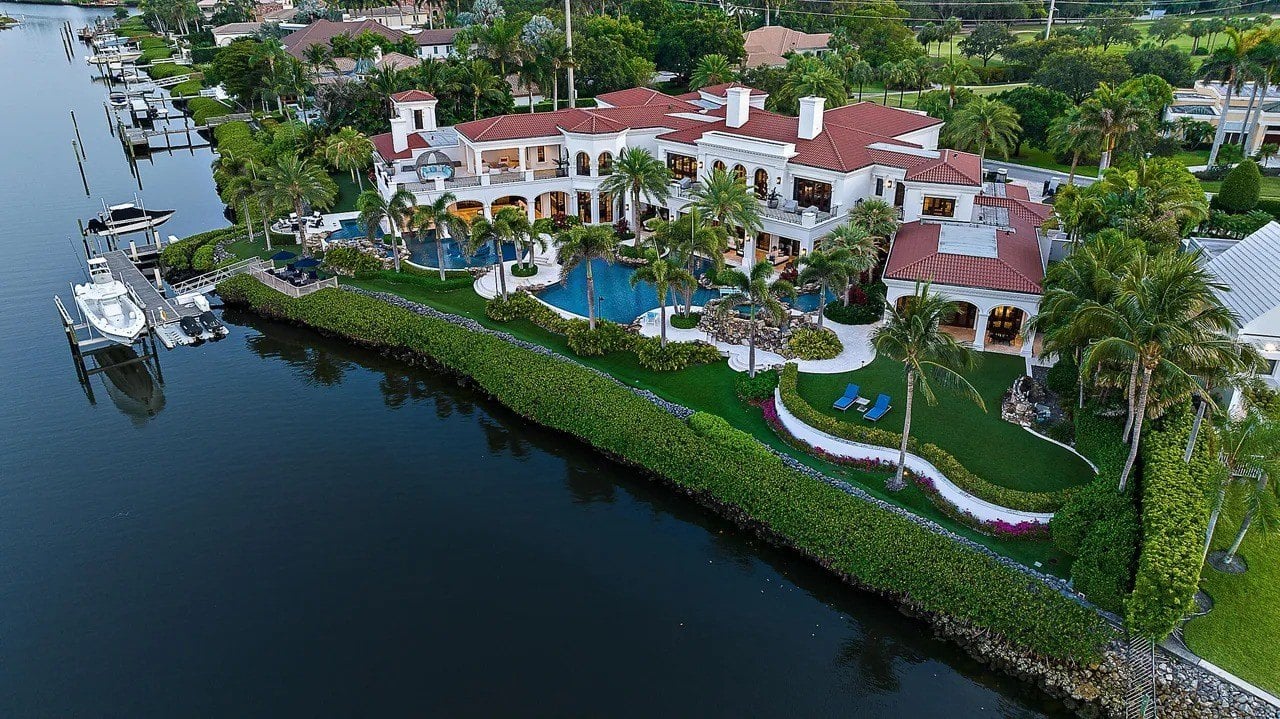
Florida’s status as a global gateway is most evident in the diversity of its international buyer pool. While the state attracts buyers from over 70 countries, the concentration of capital from Latin America, Canada, and Western Europe remains the driving force behind the 2026 surge.
The Latin American Resurgence: Colombia and Argentina
Colombia has re-emerged as the primary source of international search interest and transaction volume in South Florida. As of early 2026, Colombian buyers represent 15% of the total foreign buyer share in Miami-Dade, Broward, and Palm Beach counties. The motivations for these investors are multifaceted: security, profitability, and location. Many Colombian HNWIs view Florida real estate as a hedge against domestic political uncertainty, with 47% of these buyers intending to use their properties solely as rentals to generate US dollar-denominated cash flow.
Argentina follows closely as the second-largest contributor, holding a 12% share of the South Florida international market. Argentinian investors show a distinct preference for high-density condominium markets, particularly in urban cores like Brickell and Downtown Miami, where they can secure stable rental yields. In Palm Beach County, the Argentinian influence is even more pronounced, accounting for a staggering 34% share of international purchases.
The Brazilian and Mexican Ultra-Luxury Footprint
Brazil and Mexico represent the higher end of the international spending spectrum. Mexican buyers currently lead with the highest median purchase price among foreign investors, averaging $934,000 per transaction. This indicates a strategic move toward ultra-luxury primary residences and "trophy" assets. Brazilian investors, while ranking third in total share (7%), maintain a median purchase price of $777,400. Notably, 29% of Brazilian buyers plan to use their Florida property as a primary residence, the highest percentage among the top five international groups, reflecting a broader trend of "wealth relocation" rather than just passive investment.
Canadian Snowbirds and the Tariff Influence
Canada remains a cornerstone of the Florida market, accounting for 18% of international buyers statewide. However, the landscape for Canadian investors in 2026 has become increasingly complex. Ongoing tariff disputes and political shifts in both the US and Canada have led some "snowbirds" to reconsider their holdings. Surveys in late 2025 indicated that 54% of Canadian homeowners were considering selling their stateside properties, often citing political friction as a primary motivator. Despite this, Canada remains the top international buyer by total dollar volume at $1.9 billion, as the long-term appeal of the Florida climate and rental yields continues to outweigh short-term geopolitical tensions.
Profile of Top International Investors in Florida (March 2026)
-
Canada – 18% market share; median purchase price around $500,000; primary property type: single-family / detached homes.
-
Colombia – 15% market share; median purchase price about $583,000; primary property type: condos and townhouses.
-
Argentina – 12% market share; median purchase price approximately $458,100; primary property type: urban condominiums.
-
Mexico – 7% market share; median purchase price around $934,000; primary property type: ultra-luxury homes and estates.
-
Brazil – 7% market share; median purchase price about $777,400; primary property type: luxury condos and primary residences.
-
United Kingdom – 5% market share; median purchase price $500,000+; primary property type: coastal properties and single-family homes.
The UK Capital Flight: A Strategic Portfolio Transition
One of the most significant developments in the 2026 international investment landscape is the accelerated movement of wealth from the United Kingdom to Florida. This is driven by a fundamental shift in the UK’s fiscal policy, including the proposed implementation of an "exit tax" targeting unrealized capital gains for HNWIs leaving the country.
British investors are increasingly treating the move to Florida not as a lifestyle choice, but as a "balance-sheet decision". The UK’s progressive income tax rates (up to 45%) and the threat of departure taxes have made Florida’s tax-free personal income environment a critical hedge. High-net-worth households from the UK are navigating a complex "timeline of facts" to establish domicile in Florida, prioritizinggenuine primary-home use and local professional relationships to ensure their assets are protected from UK capital gains scrutiny. This has led to a surge in demand for high-end coastal properties and estates in regions like Palm Beach and Sarasota, where British buyers find a familiar combination of luxury, privacy, and economic transparency.
"Wall Street South": The Commercial and Residential Maturation
The term "Wall Street South" has matured from a catchy headline into a tangible economic reality. The migration of financial giants like Citadel Securities and Thoma Bravo to the Miami area has created a ripple effect across all real estate sectors. This influx of corporate decision-makers and their supporting workforces is reshaping the luxury residential landscape.
Developers are no longer merely building condos; they are building vertical infrastructure for the modern professional. This includes the integration of 24/7 business centers, high-security parking, and even educational infrastructure. Investment tycoon Barry Sternlicht has highlighted that the growth of these elite enclaves is increasingly dependent on "marinas and schools," suggesting that the next wave of Florida’s real estate evolution will focus on supporting the daily, high-intensity professional lives of its new residents.
Branded Residences: The New Gold Standard
Miami's skyline in 2026 is dominated by "branded residences," a sector where hospitality-grade operations are integrated into private towers. Over 52% of new-construction condo sales in South Florida are now attributed to international buyers, who find security in globally recognized names like Bentley, Armani, Waldorf Astoria, and Dolce & Gabbana.
The appeal of branded residences lies in the "curated living" experience. For an international buyer, a brand like the Ritz-Carlton or St. Regis serves as a form of risk management, ensuring that the staffing, dining, and arrival sequence meet a predictable, ultra-luxury standard. In Brickell, projects like the Residences at 1428 Brickell are even integrating sustainability as a status signal, featuring photovoltaic windows that generate clean energy for the building—appealing to the next generation of eco-conscious global investors.
Taxation and Legislation: The 2026 Regulatory Landscape
March 2026 is a pivotal month for Florida’s tax structure, with several major shifts impacting both domestic and international investors.
Federal Tax Transitions: The Expiration of the TCJA
The expiration of key provisions from the Tax Cuts and Jobs Act (TCJA) in January 2026 has fundamentally changed the ROI modeling for real estate investors. Most significantly, bonus depreciation has structurally dropped to 20% for qualifying property. This reduction in "front-loaded" tax benefits means that investors can no longer rely on aggressive first-year write-offs to justify thin cash flows.
Instead, investors are focusing on "Real Estate Professional Status" (REPS) and material participation to offset higher individual marginal rates, which have reverted to pre-2018 levels. In a state with no income tax, these federal shifts carry the full weight of the tax burden, making sophisticated sequencing and entity structuring more critical than ever.
The Property Tax Elimination Debate: HJR 203
At the state level, the Florida Legislature is debating a revolutionary proposal that could ask voters to significantly scale back or eliminate non-school property taxes for homestead properties. The House of Representatives passed House Joint Resolution 203 in February 2026, which proposes a ten-year phase-out of certain local property taxes.
While this is a major win for primary residents, the implications for international and non-resident investors are more nuanced. Since the proposed benefits only apply to properties with a homestead exemption, the gap between the carrying costs of a primary residence and an investment property may widen. Furthermore, opponents warn that this could create budget gaps for essential services, potentially leading to higher fees or alternative taxes that could impact commercial real estate and non-homesteaded holdings.
The "Builder Incentive Playbook" for 2026
To combat elevated mortgage rates and maintain transaction volume, Florida developers have adopted a sophisticated incentive strategy. This "Builder Incentive Playbook" has become a vital tool for investors entering the market in early 2026.
| Incentive Type | Mechanism | Primary Beneficiary |
| Mortgage Rate Buydowns | Builders pay points to reduce rates to 3.75% – 4.99% | Investors seeking immediate cash flow |
| Closing Cost Credits | Builders cover $5,000 to $25,000 in fees | Buyers looking to minimize cash-to-close |
| Spec Home Discounts | Reductions of $15k – $50k on quick-move-in inventory | "Mom and Pop" investors needing immediate occupancy |
| Design Center Credits | $10k – $50k in upgrades (quartz, smart home tech) | Luxury short-term rental operators |
Regional Deep-Dives: Divergent Opportunities Across the State
Orlando: The ROI Leader
Orlando has transcended its reputation as a tourist-only market to become a hub for technology and healthcare, particularly in the Lake Nona "Medical City" area. For investors, Orlando offers some of the most attractive ROI profiles in the state, with short-term rental yields ranging from 7% to 10% and long-term rentals between 6% and 8%. The region’s rapid population growth, exceeding 10% in some districts, ensures a consistent baseline for both rental demand and property appreciation.
Tampa Bay: The Corporate Rising Star
Tampa has solidified its position as a "balanced powerhouse," offering a robust job market and modern infrastructure that serves as a competitive alternative to Miami. Projects like Water Street Tampa have attracted corporate relocations, while the median home price of $425,000 remains accessible compared to the luxury-heavy South Florida markets. Tampa’s appeal to young professionals and families seeking a high-quality lifestyle without the "Miami premium" has made it a favorite for stable, long-term investors.
Jacksonville and North Florida: The Logistics Hub
Jacksonville is emerging as a critical logistics and military hub, with the state's largest city offering a lower barrier to entry for investors. With median home prices around $296,000, Jacksonville provides excellent opportunities for scalable portfolios in both single-family and multi-family homes. The region's proximity to major ports and logistics infrastructure ensures steady rental demand from a diversified workforce.
The Short-Term Rental Governance: Navigating a Complex Regulatory Patchwork
For international investors attracted by the lucrative Florida short-term rental (STR) market, 2026 requires a high degree of regulatory literacy. While the state government maintains general standards, local municipalities have enacted highly divergent rules.
Miami and Miami Beach: Aggressive Enforcement
Miami Beach continues to have some of the most restrictive STR regulations in the country. In most residential zones, rentals for less than six months and one day are prohibited, and illegal listings can trigger fines of $20,000 to $60,000 per violation. Legal STR activity is strictly confined to designated commercial and tourist districts, such as the South Beach Entertainment District, and requires four separate licenses: a State Vacation Rental license, a City Business Tax Receipt, a Resort Tax account, and a County Certificate of Use.
Orlando and Kissimmee: The Home-Sharing Model
Orlando permits short-term rentals primarily through a "home-sharing" structure, where the host must reside in the property as their primary residence and rent out only a portion of the home. For those seeking "whole-home" investment opportunities, the neighboring city of Kissimmee remains the preferred destination, offering STR-friendly zoning districts in close proximity to major theme parks, provided the operator secures a business tax receipt and adheres to occupancy standards.
STR Regulatory Comparison (March 2026)
-
Miami Beach – Minimum stay requirement of 6 months and 1 day in residential areas; short-term rentals are prohibited in SF and SD zoning districts; key regulatory document: Business Tax Receipt.
-
Miami (City of Miami) – Rentals under 30 days are allowed in designated Transect Zones; permitted mainly in T5 and T6 zoning areas; key regulatory document: Certificate of Use.
-
Orlando – Short-term rentals under 30 days are permitted only through a home-sharing model, meaning the property must be the owner’s primary residence; key regulatory document: Home-Sharing Registration.
-
Fort Lauderdale – Short-term rentals under 30 days are allowed but require mandatory registration with the city; compliance may include LauderBuild registration and noise monitoring requirements.
The Generational Wealth Transfer and the Future of Demand
Florida is currently braced for a historic intergenerational wealth transfer that is projected to reach $883.5 billion within the next ten years and over $11.3 trillion over the next half-century. As Baby Boomers pass assets to Generation X and Millennials, the nature of real estate demand is shifting. Younger heirs are prioritizing values-driven investments, focusing on "walkable, sustainable communities" and assets that offer flexibility and digital-first management.
This shift is also seeing women take a more dominant role in real estate decision-making, as they are projected to account for nearly 53% of Florida’s population by 2050. Financial institutions and wealth managers in regions like Palm Beach and Miami-Dade are adapting by offering holistic, multigenerational planning services that balance legacy goals with financial education. For the 2026 real estate investor, this means that long-term asset appreciation will increasingly be tied to properties that cater to these demographic preferences, such as mixed-use developments and smart-home luxury units.
The Sustainable Zenith of the Florida Market
As of March 2026, Florida has successfully transitioned from a market driven by pandemic-induced volatility to one anchored by structural economic shifts. The state’s leadership in international real estate investment is no longer merely a result of its favorable climate, but a consequence of its sophisticated fiscal environment, the "Wall Street South" business migration, and its status as a global sanctuary for capital preservation.
While challenges remain, most notably the ongoing need for infrastructure expansion in high-density areas and the navigation of a complex property tax reform debate, the fundamentals of the Florida market are arguably stronger than at any point in history. For the international investor, Florida represents a unique opportunity to secure assets in a jurisdiction where property rights are respected, transparency is prioritized, and the tax environment is designed to reward long-term growth. The 2026 landscape demonstrates that Florida is not just competing on a national stage; it has redefined itself as the ultimate destination for global wealth relocation and strategic real estate investment.
Sources: Data compiled from reports by the National Association of REALTORS®, Florida Realtors®, Miami Realtors®, Fox Business, and leading real estate research platforms.
Ready to Invest in South Florida Real Estate?
As a South Florida real estate expert, I help investors:
✅ Find properties with high appreciation potential and USD yield
✅ Safely navigate all legal and financial stages of the process
✅ Turn properties into lucrative assets for short-term rentals or personal use
📞 Let’s discuss your investment project.
Carolina Arévalo Ramos
ONE Sotheby’s International Realty
📍 2054 S University Dr, Davie, FL 33324
📞 +1 (786) 837-1517
📧 [email protected]
📲 Instagram: @carol.onesothebys.realtor