The Founding of Parkland
Parkland, Florida, stands out in the South Florida real estate market as an enclave of luxury, safety, and meticulous planning. Located in Broward County, the city has established a reputation for offering a refined and peaceful suburban lifestyle, highly valued by high-net-worth individuals (HNW). Understanding the sales dynamics in Parkland requires an analysis that delves into its historical foundation and the urban planning policies that created a structural scarcity of properties, thereby sustaining the area’s consistently high values.
The Genesis of Parkland: History, Planning, and Real Estate Implications
Parkland's unique identity is deeply linked to its origins. The city was officially established in 1963 under the clear vision of its founder, Bruce Barnett Blount, who envisioned a place that would preserve a rural, country lifestyle, ideal for families and animal breeders. The name "Parkland" reflects this commitment to preserving green spaces and maintaining low population density.
This initial commitment translated into extremely restrictive zoning policies, which continue to shape today’s real estate market. The city's planning prioritizes low-density single-family residential districts (such as RS-6), Planned Unit Developments (PUD), and Planned Residential Districts (PRD). These classifications restrict densification and promote large lots, maintaining the quiet, private charm that is Parkland's signature.
The implication of this rigorous zoning is a key factor in long-term appreciation. By limiting the supply of new units and preventing the high-density development common in other Florida metropolitan areas, the city has created an artificial scarcity of luxury inventory. This structural scarcity ensures that, even during periods of market adjustment, property values in Parkland demonstrate greater price resilience compared to less regulated or more densely populated suburbs in Broward County. Real estate value is, therefore, intrinsically linked to the perceived quality of life, space, tranquility, and safety—and the city's proactive urban planning protects these attributes, solidifying the price premium in the luxury segment.
Demographic Profile: Affluence and Socioeconomic Stability
The profile of Parkland’s residents is a fundamental indicator of its market stability. The community attracts a highly affluent population, evidenced by a high median household income of approximately $158,000. Furthermore, the population is highly educated, with about 60% of residents holding a college degree, reflecting a stable and professional demographic base.
This affluence and stability manifest in the residents' commitment to the community. Many homeowners who move to Parkland choose to stay for decades. This demographic stability serves as the hallmark of a mature and resilient market, where community integrity and the maintenance of lifestyle are highly valued and protected.
A significant economic factor sustaining the Parkland market is the continuous attraction of capital from other regions of the United States, notably from high-tax states. This steady influx of high-income buyers moving to Florida—seeking more favorable tax regimes and the Parkland lifestyle—helps balance the market equation and supports strong property values. The combination of limited supply and consistent demand stemming from migratory wealth creates a recipe for long-term stability and price growth.
The Pillar of Safety and Quality of Life
For the luxury buyer, safety and quality of life are non-negotiable drivers of demand. Parkland meets this requirement in an exemplary fashion, consistently being cited as one of the safest communities in Florida.
The safety data is impressive: the combined rate of violent and property crimes is only 5 per 1,000 residents, placing the city in the 99th percentile for safety—meaning it is safer than 99% of U.S. cities. Specifically, the violent crime rate is just 0.26 per 1,000 residents, among the lowest indices in the state. This excellence in safety is a primary draw for families with children and those seeking peace of mind, ensuring that an investment in Parkland is perceived as an investment in a secure and lasting lifestyle.

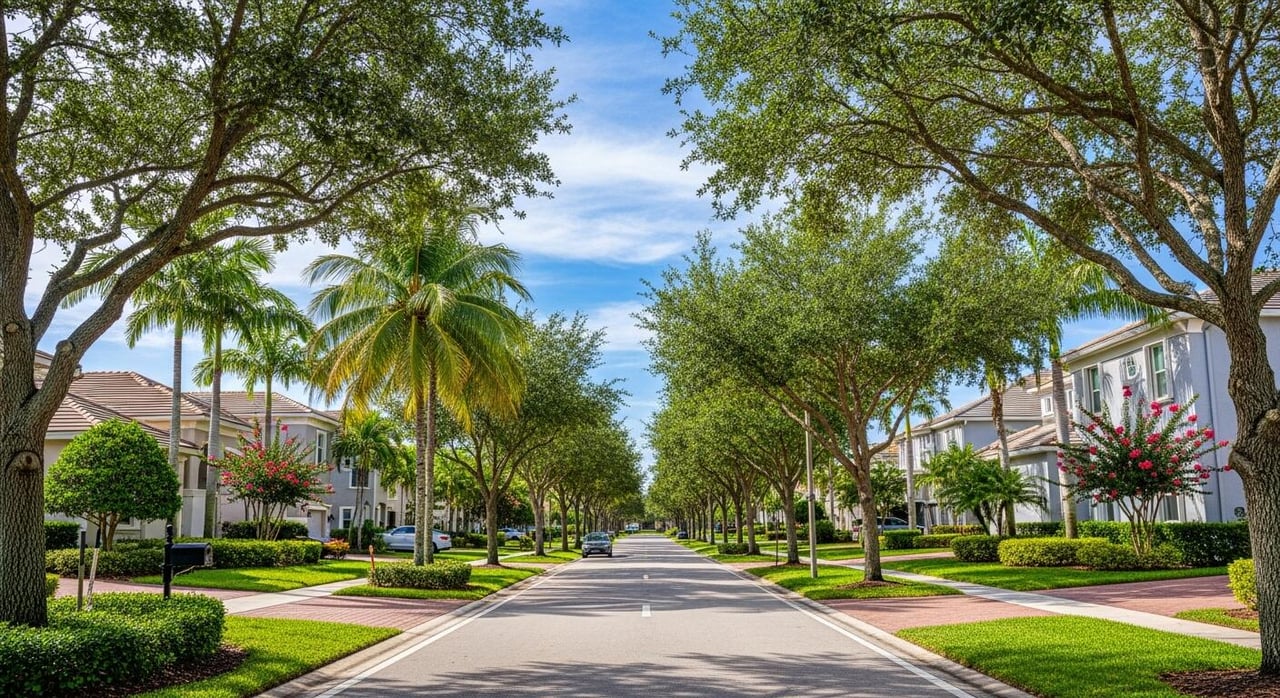
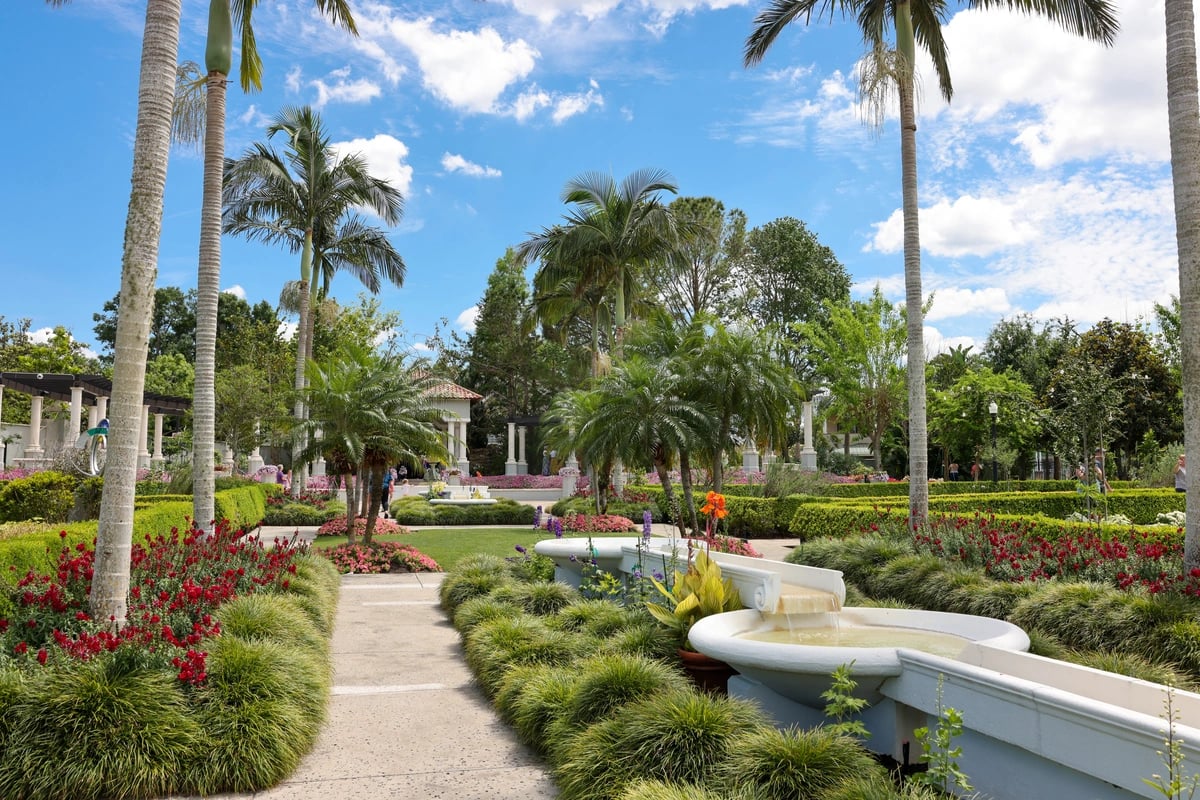
The quality of life is complemented by a well-maintained community infrastructure. The city is known for its commitment to preserving green spaces, boasting nine well-manicured parks. Tree-lined streets, wide sidewalks, and well-designed public spaces contribute to the city’s charm, making it safe and pleasant for outdoor activities and promoting community interaction. This attention to detailed planning is the reason Parkland’s exclusivity remains intact, even while being strategically located between bustling urban centers like Fort Lauderdale and Boca Raton.
Current Residential Market Dynamics (2025/2026 Analysis)
Parkland’s real estate market, while historically robust, showed signs of adjustment and cooling in late 2024 and throughout 2025. This transition has created a more balanced environment, offering new opportunities for strategic high-net-worth (HNW) buyers.
Price and Inventory Indicators (Focus on Q3/Q4 2025)
Analysis of recent data (August to October 2025) shows a notable correction in values following a period of intense appreciation. The median listing price in Parkland was $1.2 million in September 2025, representing a notable year-over-year (YoY) decline of 4.2% to 5.4%. However, average and median sales values experienced even more significant YoY declines in August 2025, indicating that the market is adjusting to buyer expectations.
Key Parkland Real Estate Trends (Aug–Oct 2025)
The Parkland, Florida, real estate market demonstrated a clear downward trend in prices during the August to October 2025 period, despite stability or a slight increase in property inventory. This drop is most pronounced in the Median Sales Price, which reached $965,000 in August 2025, representing a significant 10.3% decline compared to the previous year.
Consistently, the Average Home Value (as of August 2025) settled at $1,050,554 (a 3.6% annual decrease), and the Price per Square Foot stood at $355 (a 2.6% YoY drop). In contrast to the decrease in values, Active Inventory remained stable to increasing during this period, ranging between 222 and 244 properties with a wide price bracket from $489,900 to $9 million, confirming the area's luxury profile. The sharp 10.3% drop in the median sales price is the strongest indicator that Parkland's luxury market is recalibrating to improve accessibility for qualified buyers.
Market Transition: Opportunities for the Strategic Buyer
The most significant shift for the luxury buyer lies in the Days on Market (DOM) and overall negotiating power.
The average DOM increased to 86 days in August 2025, a 19.4% rise from the 72 days recorded the previous year. Other sources report that properties reached up to 101 days on market in October 2025, compared to 64 days the year prior. This substantial increase in market time indicates a cooling of bidding wars and an environment where buyers are becoming more selective, dedicating more time to due diligence and property appraisals.
The rise in DOM suggests that sellers are taking longer to adjust to new post-boom price realities. For the buyer, this translates into significant bargaining power. Properties in Parkland are selling, on average, 3.2% below the listing price, resulting in a sale-to-list price ratio of approximately 97.21%.
This environment, described as more "balanced," represents a strategic window of opportunity. The market is no longer ultra-competitive (receiving a low compete score of 26 out of 100). An ideal acquisition strategy should involve identifying listings that have already exceeded the median DOM and initiating aggressive negotiations, leveraging seller pressure to close the transaction while conditioning the offer on the satisfactory completion of in-depth inspections and risk assessments.
Long-Term Resilience and Value Stability
Despite the recent price correction, Parkland’s foundation offers inherent protections against more severe downturns. Market resilience is anchored in structural factors that do not easily change: exceptional safety, an A-rated school system, and a structural scarcity of inventory due to low-density zoning.
The continuous influx of wealth into South Florida acts as a fundamental support for long-term price stability. While real estate appreciation in Parkland may have slowed or even slightly decreased over the last year (a 3.7% drop in average annual value), the constant demand from high-net-worth families seeking capital security and quality of life ensures that property values do not experience the same volatility seen in purely speculative markets. The top of the market—with listings exceeding $5 million featuring sprawling residences (7,000 to 14,371 square feet) —confirms that demand for truly exclusive assets remains robust.
Analysis of Key Luxury Enclaves and Lifestyles
Parkland is defined by the excellence and amenities of its gated communities, which offer a high level of service and security. The choice of neighborhood directly impacts the price per square foot and lifestyle. The most prominent communities include Parkland Golf & Country Club, Heron Bay, and Watercrest.
Parkland Golf & Country Club (PGCC): The Epitome of the Country Club Lifestyle
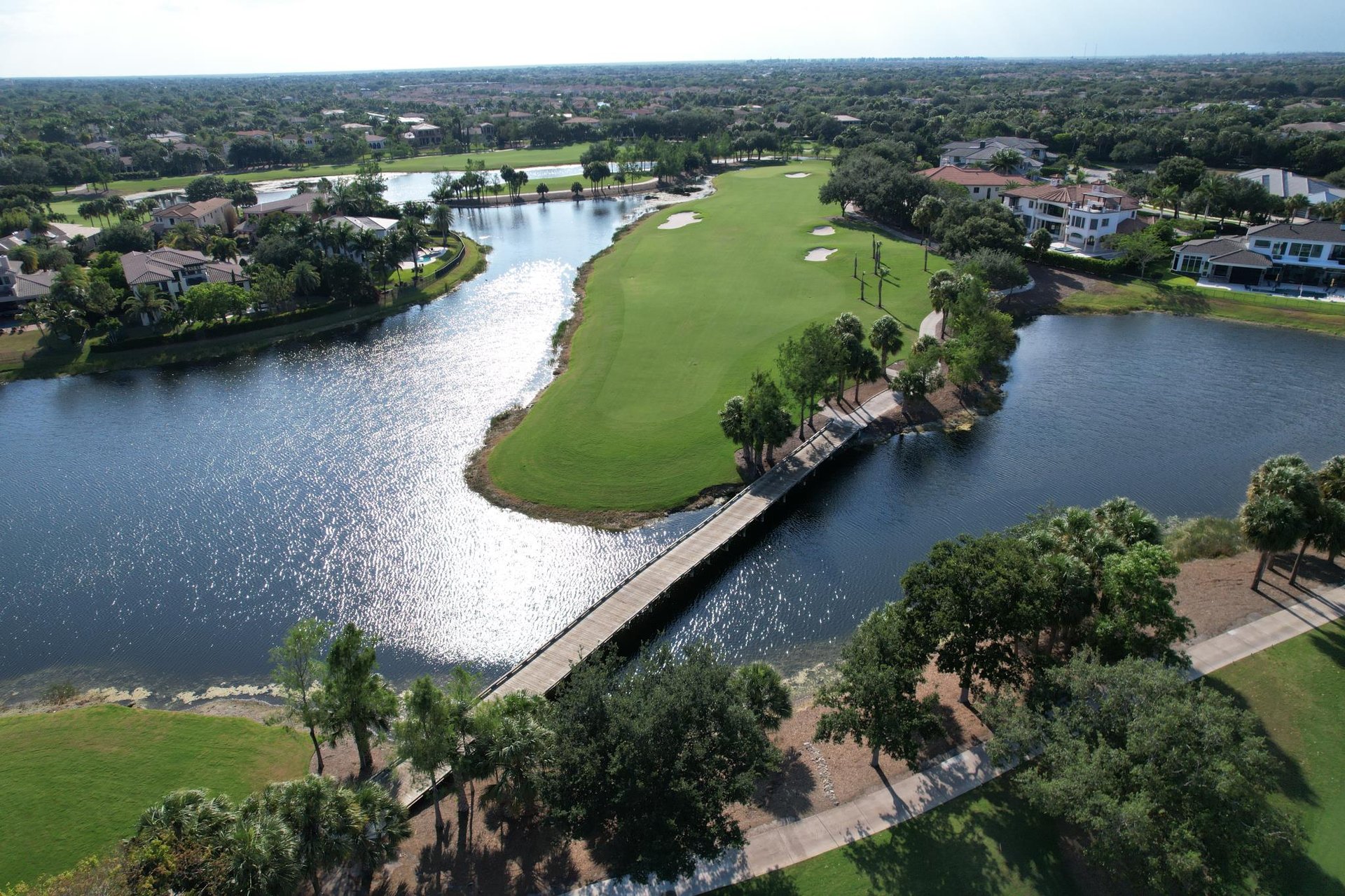
The Parkland Golf & Country Club (PGCC) is one of the most exclusive and prestigious enclaves in Parkland. Developed by the renowned Toll Brothers, it spans 790 acres of luxury properties, lush tropical landscapes, and world-class amenities.
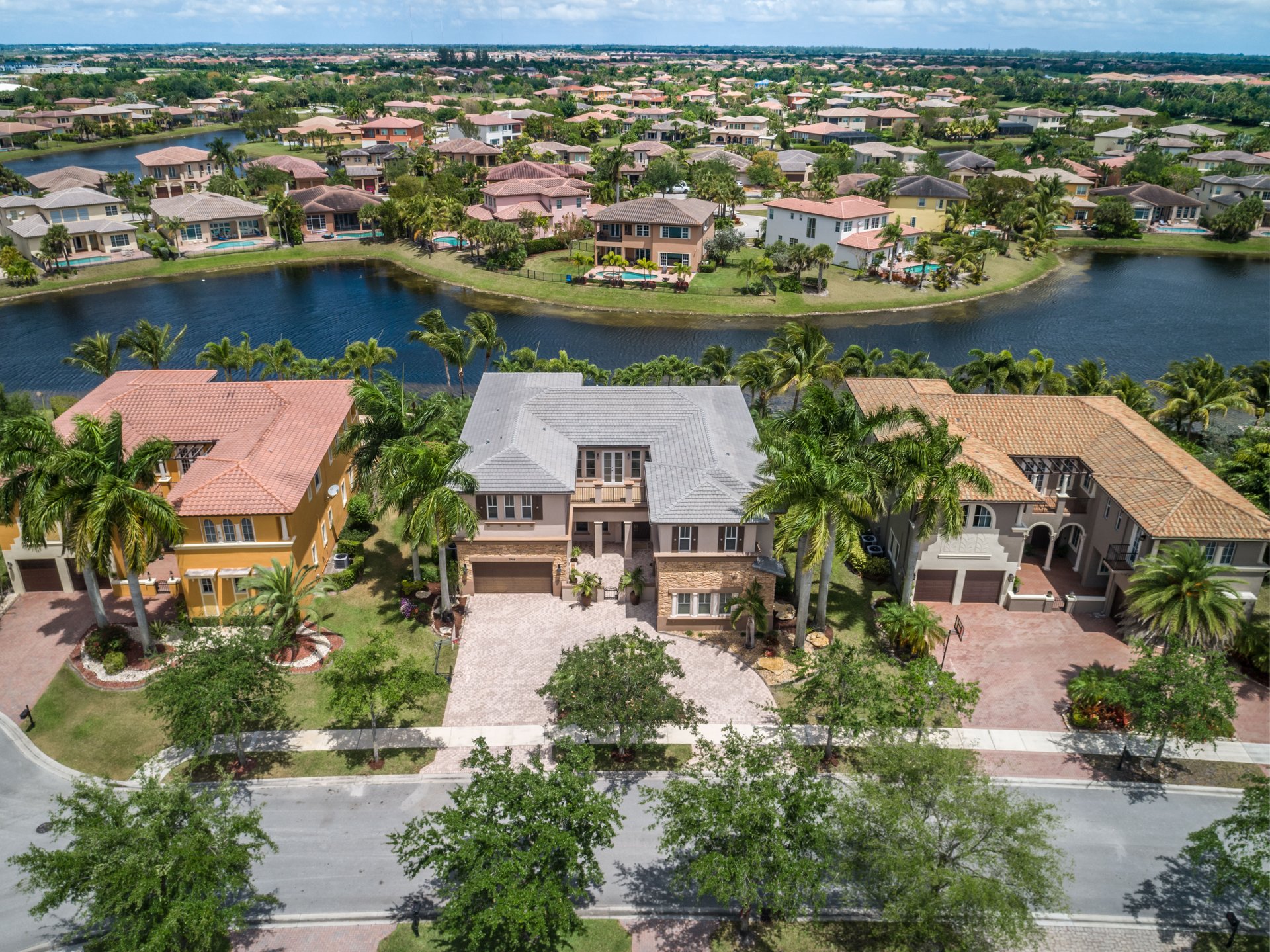
Residences in PGCC are characterized by Mediterranean-style architecture and vary significantly in size, ranging from condominiums and townhomes to large single-family estates exceeding 8,000 square feet. Interiors reflect sophistication, featuring open floor plans, high-end gourmet kitchens, and private master suites.
PGCC represents the upper price segment of the Parkland market. Recent active listings in the upper segment presented an average price of $2.5 million, with the observed price range between $1.9 million and $2.8 million for top-tier luxury listings. The average price per square foot in this specific enclave is $539, significantly above the city average.
Amenities are the focal point of PGCC, which offers a non-equity golf club lifestyle. The complex includes the Sports and Social Club, a Greg Norman 18-hole golf course, tennis courts, and Spa Cielo, a full-service spa offering massages, facials, and salon services.
Heron Bay: Diversity and a Wide Range of Luxury
Heron Bay is one of Parkland’s most established and sprawling communities, notable for its architectural diversity and wide price range. The community is comprised of several subdivisions, such as Heron Estates, Sable Pointe, and The Fairways.
The price range in Heron Bay is broad, catering to a diverse spectrum of the luxury market. Listings range from three-bedroom units priced near $500,000 (for smaller homes) to large six- and seven-bedroom homes reaching up to $2.775 million. The community offers a vast selection of residences, with example listings in the range of $1.2 million to $1.8 million for 5-to-6-bedroom homes.
For the investor, it is relevant to note that the most recent phases of new construction within Heron Bay, such as the communities in Somerset, are sold out. Available inventory is, therefore, predominantly resale.
The difference in price per square foot ($539 in PGCC versus the city average of $377) suggests that PGCC commands a substantial premium for the brand and exclusive golf club amenities. Heron Bay, on the other hand, offers a more efficient capital allocation for the property itself, providing great value per square foot in a well-established and highly secure community. High-net-worth buyers must weigh whether the additional maintenance cost and price premium at PGCC are offset by the golf club lifestyle, or if communities like Heron Bay or Watercrest better suit a family life focused on schools and more diversified amenities.
Watercrest at Parkland
Watercrest is another prestigious gated community that attracts families due to its modern design and spacious floor plans. The community offers four distinct home collections, featuring 28 different floor plans. Residences range from 2,000 to over 5,200 square feet, with options from three to seven bedrooms and garages for up to four cars. Current prices in Watercrest range from the upper $500,000s to over $2.5 million.
New Construction and Pre-Construction Opportunities
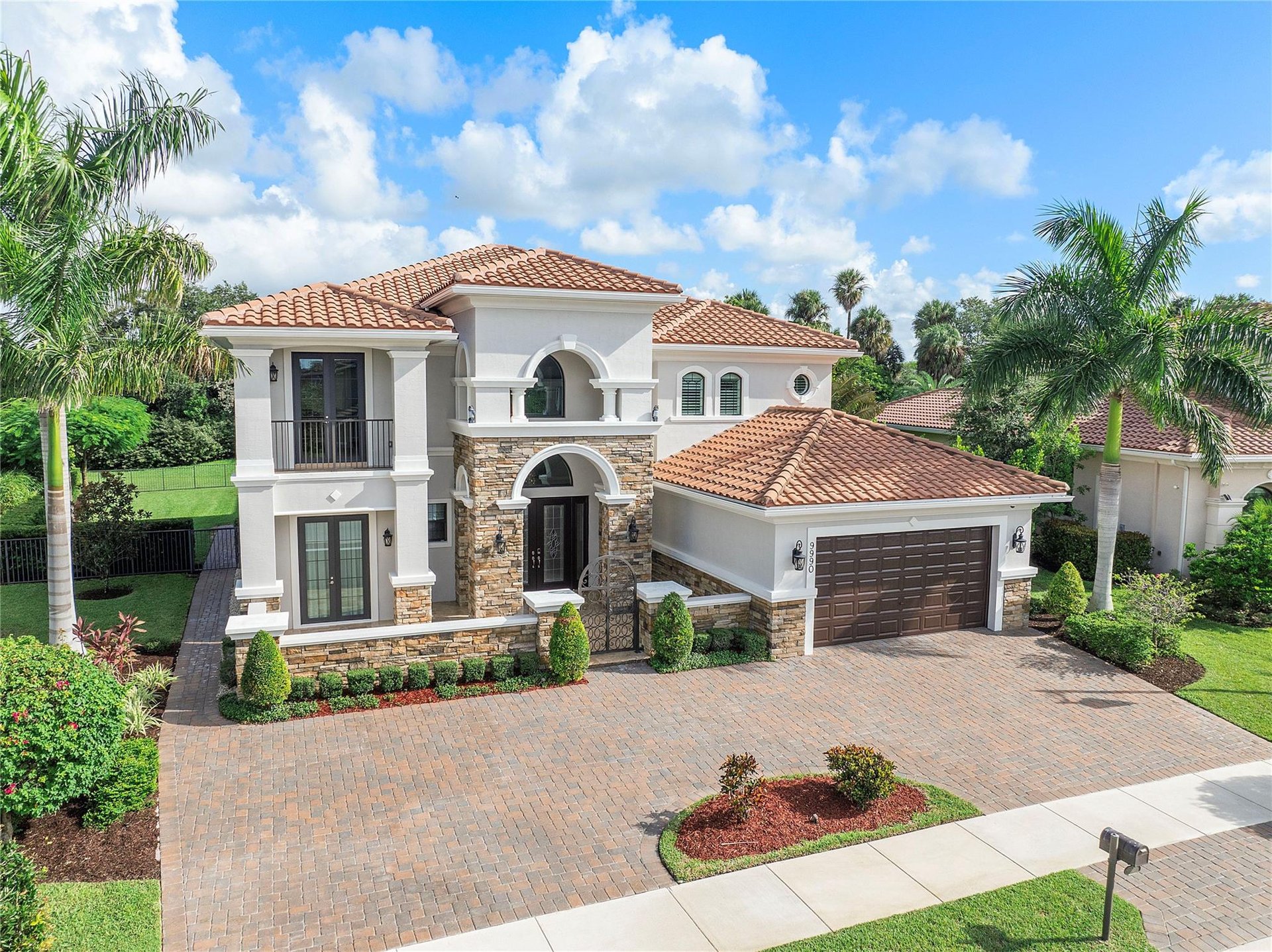
While many of Parkland’s established communities have sold out their new inventory, new construction opportunities remain through developments such as Parkland Royale, built by Lennar. This project offers collections such as Crown and Monarch, which feature modern luxury floor plans.
Starting prices for these large single-family homes range from:
-
$1,259,990 for the Highgrove Plan (4 bedrooms, 4.5 bathrooms, 3,545 sqft).
-
$1,381,990 for the Marquis Plan (5 bedrooms, 5.5 bathrooms, 4,041 sqft).
-
$1,274,990+ for the Kingsmont Plan (4 bedrooms, 4 bathrooms, 3,613 sqft).
These pre-construction options offer buyers the advantage of contemporary finishes, builder warranties, and the opportunity to customize elements of the residence.
The Educational and Safety Factor
For the high-net-worth demographic that dominates Parkland, the quality of public schools is a more powerful demand driver than interest rates or seasonal price adjustments. Investment in Parkland is, in large part, an investment in educational excellence for families.
Excellence in the Broward County School District
Parkland’s school system, which is part of the Broward County School District, is consistently rated "A-Rated" and is the primary driver of real estate demand. A school district’s reputation is an asset that builds slowly and deteriorates slowly; continuous investment in education ensures that property values in Parkland are not susceptible to major shocks, as demand from HNW families is perpetual.
Detailed analysis of elementary and secondary schools reveals the strength of the system:
-
Marjory Stoneman Douglas High School: This institution holds a Niche A+ rating and is ranked as the #52 Best Public High School in Florida. The school offers many learning opportunities and operates with a student-teacher ratio of 25 to 1.
-
Westglades Middle School: Rated A- and ranked as the #151 Best Public Middle School in Florida, with a ratio of 23 students per teacher. The school is highly rated by parents and known for specialized programs such as GEM and GEARS.
The attraction of high-net-worth families to Parkland is often driven exclusively by the A-rated schools. This constant demand creates an artificially high price floor. Investors seeking capital security should always prioritize proximity to these prestigious schools, as this maximizes the asset's liquidity and long-term capital protection, even in a contracting market.
Financial Implications and Maintenance Costs
Financial planning for the acquisition of a luxury property in Parkland must include a detailed analysis of annual operating costs, which go beyond the purchase price and involve property taxes and association fees.
Property Tax Burden
Florida is known for its low state taxes, but local property taxes are a crucial component of ownership costs.
The total millage rate in Parkland for 2024 is 18.4674 mills (meaning $18.4674 in taxes for every $1,000 of the property's taxable value). This rate is notably competitive, being one of the lowest compared to neighboring municipalities in Broward County, such as Coral Springs (20.3705 mills) or North Lauderdale (21.5695 mills).
The City of Parkland rate is 4.2979 mills, contributing to municipal services, while the remainder goes to Broward County and other special districts. The comparatively low property tax in Parkland is a significant tax advantage for high-net-worth buyers, especially those moving from high-tax jurisdictions, as it increases net return and reduces annual maintenance costs. Wealthy cities can have lower millage rates because the assessment base is high (many expensive homes), allowing the municipality to generate necessary revenue with a lower percentage rate.
Homeowners Association (HOA) Fees
Homeowners Association (HOA) fees are mandatory in most of Parkland’s gated communities and cover security, maintenance of common areas, and access to resort-style amenities.
HOA fees in Parkland can vary widely, generally ranging between $200 and over $600 per month. The variation depends directly on the level of amenities and the community infrastructure (for example, PGCC with a golf course and spa will have higher fees).
Investors should be aware of recent inflationary pressures on HOA fees in Florida. New post-Surfside legislative mandates require more rigorous structural inspections and higher reserve fund levels. These requirements, while essential for structural safety and asset protection, have pushed many associations to increase monthly dues to cover higher insurance costs and ensure compliance.
Rental Market Analysis (Income Investment)
For investors seeking income-generating assets, Parkland’s rental market is robust and premium. The median rent in the city was $5,241 monthly in October 2025, a value significantly higher than the national average ($1,949). This market demonstrated a 3.0% growth year-over-year. High rents and stable growth indicate strong potential for Investor Cash Flow (DSCR - Debt Service Coverage Ratio) for investment properties.
Acquisition and Financing Strategies for International Buyers
Florida is a primary destination for international real estate capital. Foreign nationals have the same right to acquire property in the US, but acquisition requires careful structuring of financing and tax planning to navigate federal regulations.
Financing Options for Foreign Nationals (Foreign National Loans)
Foreign National Loans (FN Loans) are specialized products designed to accommodate buyers without an established US credit history and without permanent residency. They are distinguished from conventional loans by their underwriting requirements.
Terms and Qualification
Typical terms for FN loans in Parkland and South Florida include:
-
Higher Down Payment Requirement: Lenders generally offer a Loan-to-Value (LTV) ratio of up to 75%. This means the buyer must provide a minimum down payment of 25% to 30%.
-
No US Credit Required: A Social Security Number (SSN) or ITIN is not necessary. Instead of a US credit history, lenders accept alternative references, such as three credit reference letters from foreign institutions.
-
Flexible Income Verification: Income verification is tailored to the international scenario. Buyers can qualify using a letter of employment verification from a foreign employer or CPA, or through Investor Cash Flow (DSCR) calculations, which assess the property's ability to generate revenue to cover the debt.
-
Reserve Requirements: Typically, 6 months of reserves are required to cover mortgage payments. A flexible feature of these programs is that these reserves can remain in foreign bank accounts.
-
Limits and Property Types: FN loans are typically intended for second homes and investment properties, with loan amounts ranging from $200,000 to $2,000,000.
Financing Comparison (Conventional vs. Foreign National)
When analyzing real estate credit options, it is crucial to differentiate between Conventional Financing (for US residents) and Foreign National Financing (FN Loan).
Conventional financing generally allows for a higher Maximum Loan-to-Value (LTV) ratio, reaching 80-90% (requiring a 10-20% down payment). Conversely, the FN Loan is more restrictive, limiting LTV to 75%, requiring a minimum down payment of 25%.
The main difference in qualification lies in Credit History: conventional financing requires a US credit history, while the FN Loan does not, utilizing foreign references for assessment instead. Regarding Income Verification, the conventional borrower presents standard documents like W-2s and US Tax Returns, whereas the foreign borrower can present a Foreign Employment/CPA Letter or, in many cases, use the DSCR (Debt Service Coverage Ratio) method to prove viability. Finally, the FN Loan imposes a requirement of Minimum Reserves of 6 months (which may be in a foreign account), a condition that is only variable for conventional financing.
Property Structure and Tax Implications (FIRPTA)
When acquiring a property in Parkland, foreign nationals must plan the property structure to optimize US tax obligations. Purchase in an individual name (Direct Ownership) is the simplest way, but more complex structures, such as LLCs or Trusts, may be necessary for estate planning and to mitigate the Estate Tax.
The most critical tax consideration at the time of sale is the Foreign Investment in Real Property Tax Act (FIRPTA). According to this policy, profits realized from the sale of any US property by a foreign national are subject to tax. To ensure the collection of this tax, the IRS requires the buyer or the closing agent to withhold 15% of the total sales price and remit it to the federal government.
FIRPTA withholding is not the final tax due, but rather an advance payment. The foreign investor needs to hire a US CPA to prepare the income tax return for the year of the sale. The actual tax due will be calculated on the capital gain (the difference between the sale price and the adjusted cost basis). Any withheld surplus, beyond the actual tax due, is refunded by the IRS. Prior tax planning and the use of a specialized CPA are crucial to ensure the withholding is calculated correctly and to expedite the refund process, avoiding a liquidity shock at the closing of the transaction.
The Strategic Window
Parkland, Florida, is a luxury residential market characterized by its structural stability and perpetual demand, driven by non-cyclical factors such as safety and educational excellence. Data from 2025 indicates that the market has gone through a healthy adjustment following the pandemic overheating, creating a strategic window for acquisition.
Synthetic Analysis of Real Estate Value
Parkland’s market is resilient. Historic low-density urban planning inherently limits inventory and protects long-term values. Although median sales prices decreased by up to 10.3% in August 2025, and market time increased to approximately 90 days, these adjustments aligned prices with the luxury buyer's expectations, moving the market to a more balanced environment.
Stability is reinforced by the attraction of high-net-worth buyers from high-tax states and by maintaining one of the lowest crime rates in Florida (0.26 per 1,000 residents for violent crime). Property value is solidified by proximity to A-Rated schools, such as Marjory Stoneman Douglas High School, a community asset that ensures the longevity of family demand.
Actionable Recommendations for the High-Net-Worth Investor
The current moment favors the diligent buyer. The following recommendations should guide the acquisition strategy in Parkland:
-
Liquidity-Focused Capital Allocation: Prioritize investments in core communities that demonstrate high prestige and liquidity, such as Heron Bay or Parkland Golf & Country Club. For families, immediate proximity to A-rated school zones should be the primary criterion, as this maximizes the protection of invested capital.
-
Leveraging Bargaining Power: Increase negotiating aggressiveness. The buyer should take advantage of the increase in DOM (days on market) and the average sale below listing price (about a 3% discount) to demand more favorable terms and conduct rigorous due diligence, including comprehensive inspection and financing contingencies.
-
International Financial Optimization: Foreign nationals must ensure that capital for the down payment (minimum 25%) is ready and structured. It is imperative to seek legal and tax advice before making an offer. The property structure should be optimized for estate tax purposes and to navigate FIRPTA rules, turning the 15% tax withholding into a strategic advance payment to be recovered through the subsequent income tax return.
The Parkland market in 2026 is positioned to reward the patient and well-informed buyer, offering the opportunity to acquire luxury assets with long-term appreciation potential in one of South Florida’s safest and best-planned suburban environments.
Ready to Invest in South Florida Real Estate?
As a South Florida real estate expert, I help investors:
✅ Find properties with high appreciation potential and USD yield
✅ Safely navigate all legal and financial stages of the process
✅ Turn properties into lucrative assets for short-term rentals or personal use
📞 Let’s discuss your investment project.
Carolina Arévalo Ramos
ONE Sotheby’s International Realty
📍 2054 S University Dr, Davie, FL 33324
📞 +1 (786) 837-1517
📧 [email protected]
📲 Instagram: @carol.onesothebys.realtor